
- EMOM - Kid's Virtual Mother


Birds

Wheel
January 30, 2020
Dinosaurs
February 1, 2020
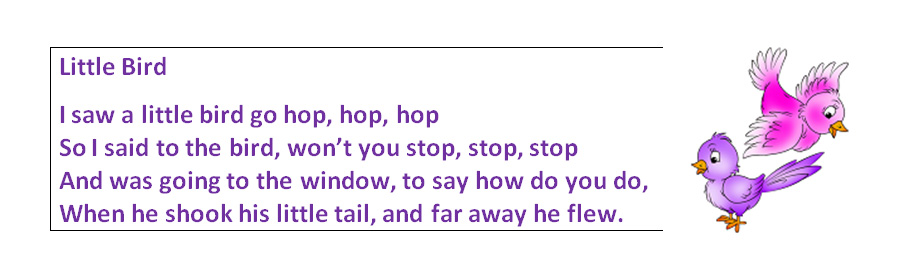
- Birds are vertebrate animals adapted for flight. Many can also run, jump, swim, and dive.
- Some, like penguins, have lost the ability to fly but retained their wings. Birds are found worldwide and in all habitats.
- The largest is the nine-foot-tall ostrich. The smallest is the two-inch-long bee hummingbird.
Behaviour of birds:
| Types of email servers | Description |
|---|---|
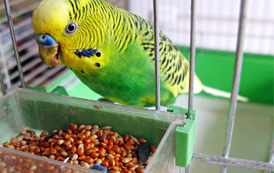 Diet and feeding Diet and feeding |
Birds’ diets are varied and often include fruit, plants, seeds, carrion, and various small animals, including other birds. |
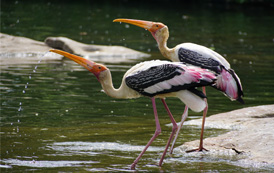 Water and drinking Water and drinking |
Birds need water for drinking and bathing. Birds get the liquid they need from their food and by drinking water. |
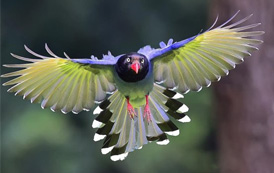 Feather care Feather care |
The physical condition of feathers is maintained by cleaning often with the application of secretions from the preen gland. |
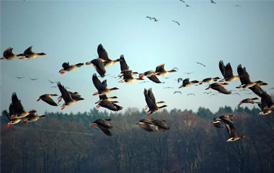 Migration Migration |
Many bird species migrate to take advantage of global differences of seasonal temperatures. |
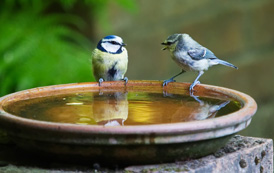 Communication Communication |
Birds communicate using primarily visual and auditory signals. Signals can be interspecific (between species) and intraspecific (within species). |
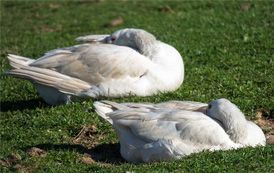 Resting and roosting Resting and roosting |
Sleeping birds often use a type of sleep known as vigilant sleep, where periods of rest are combined with quick eye-opening “peeks”. |
Let’s see some of the birds:
| Birds | Description |
|---|---|
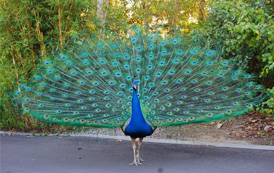 The Peacock The Peacock |
1. The Indian National bird, i.e. the Peacock. 2. With the thick blue-green plumage and the iconic rain dance performed while mating, peacocks generally thrive in rainforests and grasslands. |
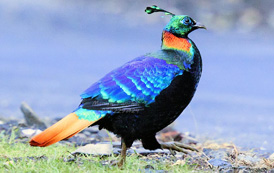 The Himalayan Monal The Himalayan Monal |
1. The Himalayan Monal is found in the higher altitudes of the Himalayas. 2. Especially in the states of Himachal Pradesh, Sikkim, Uttarakhand and Arunachal Pradesh. |
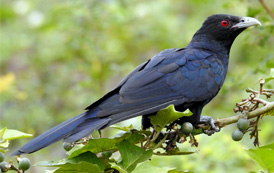 Asian Koel Asian Koel |
1. The Koel found across all over India, feeds mainly on berries fruits and also consumes insects. 2. Monsoon period is one of best time to spot these singing birds around the cities. |
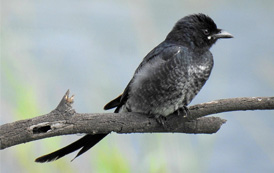 Black Drongo Black Drongo |
1. Black Drongo is a wholly black bird with a unique forked tail, feeding on insects. 2. It found commonly in the open agricultural areas of village and light forest around. |
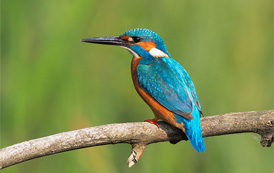 Blue Kingfisher Blue Kingfisher |
1. The Small Blue Kingfisher is commonly seeing across the river or any water bodies. 2. Its habitats range stretches from India to Southeast Asia. |
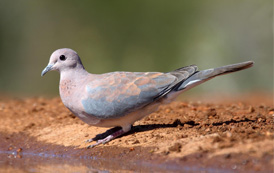 Laughing Dove Laughing Dove |
1. The Little Dove is a small pigeon of common forest, scrub and dry farmland and a resident breeder to the Indian Subcontinent. 2. It is feeds on grass, seeds, grains, other vegetation and small insects. |
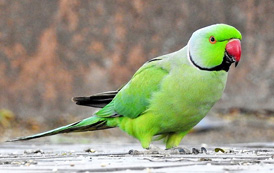 Parrot Parrot |
1. Indian Ring-Necked Parrot are popular as pets in India. 2. It is usually feed on buds, fruits, vegetables, nuts, berries and seeds. |
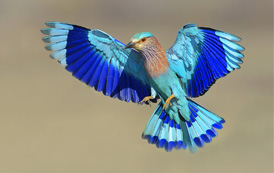 Indian Roller Indian Roller |
1. They can be very commonly seen across the roadside trees, wires and open grassland. 2. Indian roller is also known as the Blue Jay or Neelkanth in Indian local language. |
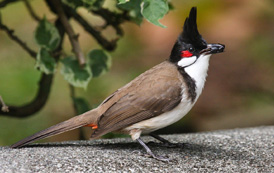 Bulbul Bulbul |
1. Red-vented Bulbul is one of the most common bird in India. 2. It has adapted the urban culture very well. |
Importance of birds:
1. In agriculture, humans harvest bird droppings for use as fertilizer.
2. Birds are common pets in the Western world.
3. Feathers are also used all over the world to stuff pillows, mattresses, sleeping bags, coats, and quilting.
4. Birds eat insects. They are a natural way to control pests in gardens, on farms, and other places.
5. Nectar-feeding birds are important pollinators, meaning they move the pollen from flower to flower.
6. Many fruit-eating birds help disperse seeds. After eating fruit, they carry the seeds in their intestines and deposit them in new places.
7. Birds are often important to island ecology.
Interesting Facts:
- There are around 10000 different species of birds worldwide.
- The Ostrich is the largest bird in the world. It also lays the largest eggs and has the fastest maximum running speed.
- Scientists believe that birds evolved from theropod dinosaurs.
- Birds have hollow bones which help them fly.
- Some bird species are intelligent enough to create and use tools.
- Kiwis are endangered, flightless birds that live in New Zealand.
- Hummingbirds can fly backwards.
- The Bee Hummingbird is the smallest living bird in the world, with a length of just 5 cm (2 in).
- Around 20% of bird species migrate long distances every year.

EMOM
test
Related posts



